October 6, 2026
The value of tree stump removal extends beyond mere aesthetics. While many focus on the visual appeal of a clean, stump-free yard, the practical benefits and potential issues a leftover stump can cause often go unnoticed. This discussion delves into the multifaceted reasons why stump removal is a necessary consideration for homeowners, landscapers, and urban planners alike. Ignoring a leftover stump can lead to cascading problems that affect the safety, health, and functionality of your outdoor spaces. Property owners who neglect this crucial step may soon find themselves facing unexpected landscaping bills, structural damage to pathways, and a decline in overall soil vitality. By understanding the broader implications of these remnants, property managers can make informed decisions that protect their landscapes over the long term. Utilizing comprehensive tree services ensures that every aspect of the extraction process is handled with precision. Whether you are dealing with a recently felled tree or an old remnant that has been decaying for years, recognizing the urgency of proper extraction is the first step toward a healthier property.
Hidden Dangers of Remaining Stumps
Tree stumps pose significant trip hazards both in public and private spaces. In residential areas, they can be an accident waiting to happen, especially for young children and the elderly who might not notice a stump hidden beneath tall grass or fallen leaves. Public parks and commercial spaces also face similar risks, where an unnoticed stump could easily lead to severe injuries. Increasing awareness of these dangers obliges property owners to address stumps before they become liabilities. Abandoned stumps are also magnets for pests and wildlife. Termites, beetles, and other wood-boring insects can infest the decaying wood and, from there, potentially spread to healthy trees or even nearby structures. Additionally, wildlife, such as rodents and reptiles, might use the stump as shelter, becoming unwelcome neighbors in your backyard. Proper stump removal helps mitigate these risks by eliminating the very habitats that attract these pests. Securing professional tree services is a vital step toward ensuring safety and preventing unnecessary accidents from unfolding on your property. Thus, it is beneficial for property owners to consider complete extraction as an integral part of their overall pest control and safety strategy.
Environmental Impacts on Surrounding Ecosystems
Tree stumps can harbor diseases that may rapidly spread to other vulnerable plants. Fungi, such as honey fungus, thrive on decaying wood and can spread through extensive root systems, infecting healthy trees and plants nearby. This not only affects the aesthetics of a garden or park but can also disrupt the broader ecosystem by introducing pathogens that are difficult to eradicate once established. Immediate stump removal is a proactive measure to reduce the risk of disease proliferation. Leftover stumps also have a negative impact on soil health and quality. As the wood slowly decays, it depletes vital nutrients from the soil, which are crucial for new plant growth. The surface area around the remnant becomes unsuitable for planting or may require significant soil amendments, leading to increased landscaping costs. The underground root system can cause complications long after the trunk has been cleared. These roots can continue to disrupt the soil structure and prevent the planting of new vegetation. By relying on experienced tree services, homeowners and landscapers can ensure that the soil rejuvenates more quickly and supports a wider variety of vibrant plant life without the hindrance of decaying wood.
Economic Benefits of Complete Extraction
Removing stumps significantly increases a property’s visual appeal, thereby enhancing its overall market value. Clean, well-maintained landscapes are considerably more attractive to potential buyers and can differentiate a property in competitive real estate markets. With the elimination of stumps, there is more usable space for improvements, adding to the property's functionality and charm. Consequently, stump removal is a direct investment in the property's future marketability and resale potential. It underscores the necessity of considering comprehensive landscape management as part of an overall strategy to boost valuation. Addressing these issues upfront can also lead to considerable long-term cost savings. By proactively removing stumps, property owners can avoid the potential costs associated with pest infestations, root disruptions, and emergency hazard mitigation. According to Simple Spring, emergency tree services and stump removal make up about 24% of tree removal business. Implementing a proactive and preventive plan eliminates such future expenses and unexpected service needs. This preemptive approach results in much better budget management for continuous property maintenance over time, allowing homeowners to allocate funds toward other essential landscaping upgrades instead of reactive fixes.
Legal Implications for Property Owners
Stump removal often requires compliance with local ordinances that deal with landscape management and urban planning. Regulations may mandate the extraction of stumps that pose safety hazards or impact new construction plans. Compliance ensures that property owners manage their responsibilities effectively, avoiding fines and legal actions that stem from negligence. It is crucial to stay informed about local requirements and incorporate them into a holistic outdoor management plan. Tree stumps can present significant liability issues for property owners, especially in areas frequented by the general public. If a remnant causes an injury due to a trip or fall, the property owner could face costly legal repercussions and settlements. Addressing stumps proactively reduces the risk of accidents and lawsuits, protecting both the property's reputation and financial standing. Stump removal requirements may also be outlined in insurance policies related to property maintenance. Many insurers consider neglected stumps as entirely avoidable risks, potentially affecting coverage terms or claims resolutions. Employing authorized tree services offers a safeguard against potential legal liabilities that may arise from neglect, ensuring that all removal activities meet municipal and insurance standards.
Available Options for Effective Management
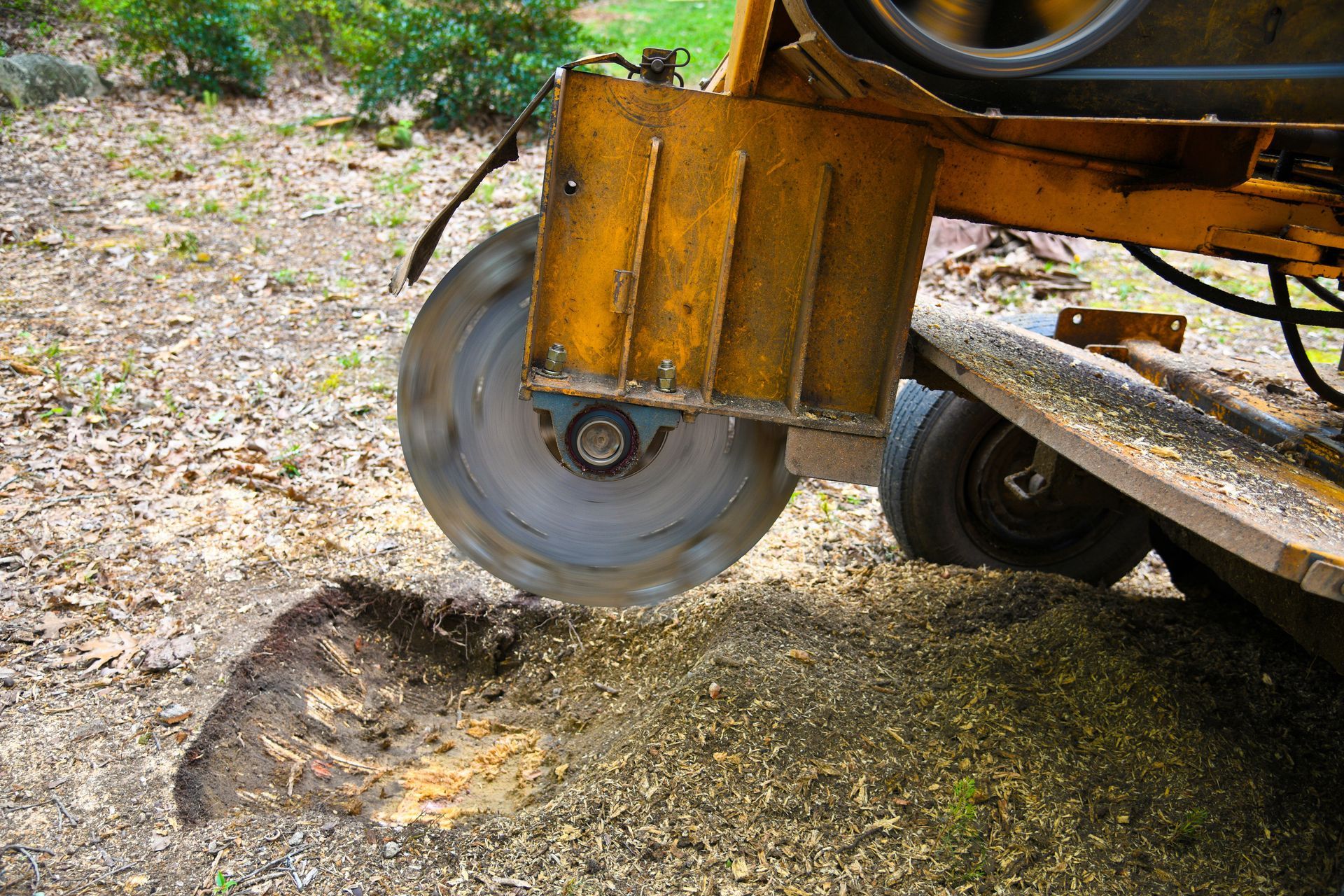
Choosing the appropriate method for stump extraction depends on several factors, such as stump size, location, and the surrounding terrain. Manual removal techniques involve physical tools and labor to extract roots from the earth. This method is labor-intensive but can be effective for smaller remnants or when minimal impact on the surrounding delicate landscape is desired. Mechanical removal utilizes heavy equipment such as stump grinders and backhoes to obliterate the wood effectively. This method is highly efficient, especially for large stumps or multiple trees, significantly reducing overall labor time. While machinery speeds up the process, care must be taken to minimize landscape damage from the heavy equipment itself. Chemical treatments are another popular avenue for accelerating decomposition without the immediate need for physical extraction. These compounds break down wood fibers over an extended period. However, chemical methods require patience and careful application to prevent environmental harm to surrounding vegetation. Engaging professional tree services guarantees that the most appropriate and effective method is selected for your specific landscape, ensuring that the job is completed thoroughly without compromising the integrity of your remaining garden or lawn.
The decision to remove a stump reaches far beyond the superficial notion of maintaining a visually appealing yard. Understanding the diverse implications of leaving these remnants unchecked can motivate more informed choices that promote continuous safety, environmental health, and financial well-being. Proactive management of tree stumps supports a holistic approach to environmental stewardship and property maintenance. Leaving a stump to rot invites pests, disease, and liability, which are easily avoidable with the right professional intervention. Stump removal is not just a cleanup task; it is a critical component of responsible land ownership that yields substantial dividends in property usability and peace of mind. Engaging skilled tree services is the best way to handle the complexities of root extraction and landscape restoration. To protect your property and enhance your outdoor space, call Acorn Tree Service today to learn more.