November 4, 2026
Trees contribute shade, seasonal color, privacy, and structure to a residential landscape, but their condition can change gradually over time. Dead limbs, crowded branches, uneven growth, and signs of disease can affect both the appearance of a yard and the health of its trees. A qualified arborist can assess these concerns and recommend care that fits each tree’s species, age, location, and condition. With the right maintenance plan, trees can remain an attractive part of the property while fitting more comfortably into the surrounding landscape.
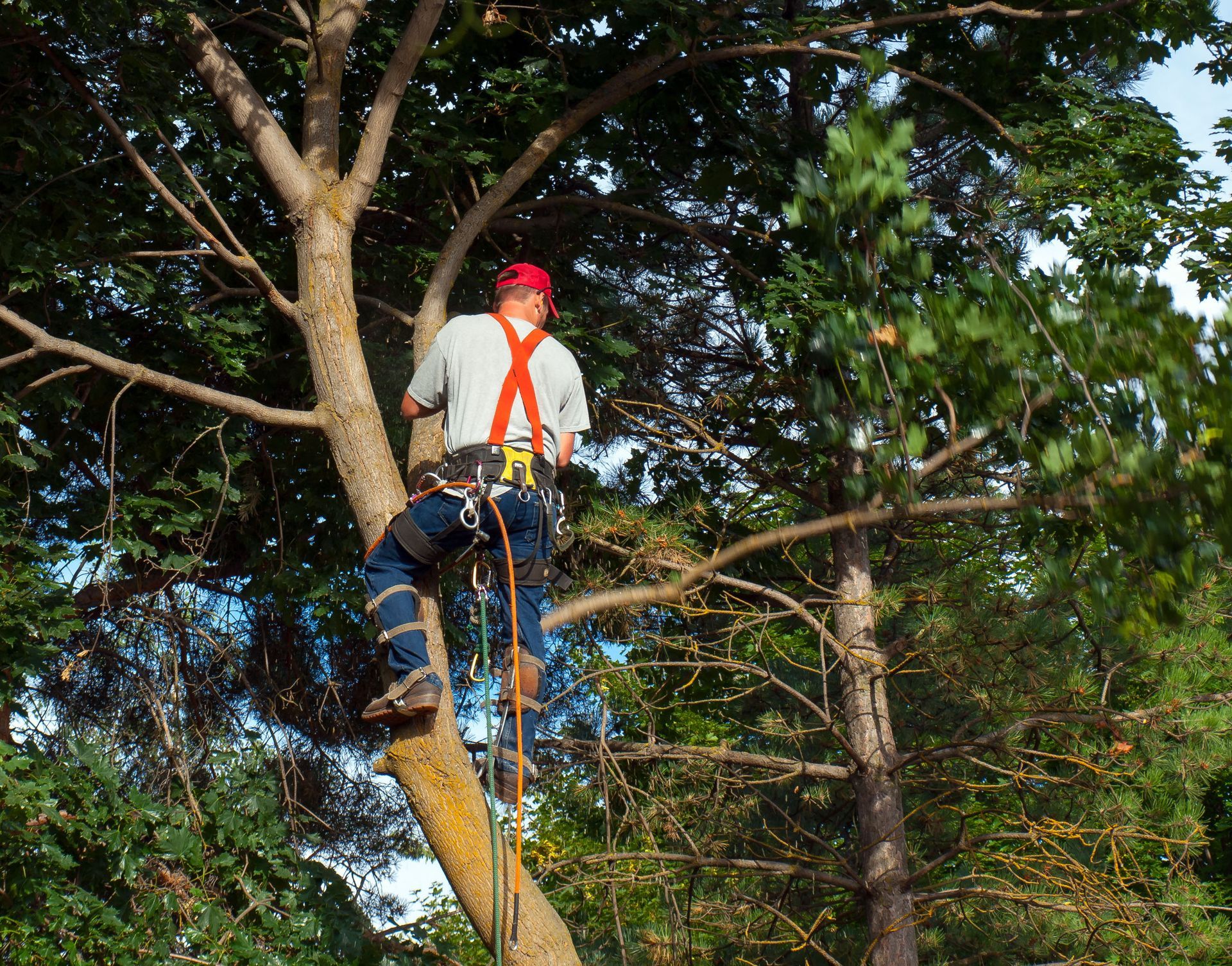
Professional tree care begins with an evaluation rather than a one-size-fits-all approach. Some trees may benefit from selective pruning, while others may need closer monitoring or removal if their condition presents a significant concern. Removing deadwood and addressing problematic growth can help improve a tree’s form and reduce unnecessary strain on its limbs. A thoughtful assessment also helps homeowners understand which trees are likely to thrive and which require additional attention.
Strengthening Tree Structure and Safety
The structure of a tree influences how it grows and responds to wind, rain, and other environmental pressures. Weak branch attachments, damaged limbs, and excessive growth in certain areas can create concerns, particularly when trees stand near homes, driveways, sidewalks, or outdoor gathering spaces. An arborist can identify structural issues and determine whether targeted pruning or another form of professional care is appropriate. This work can help reduce avoidable hazards while preserving as much healthy growth as practical.
Tree maintenance also needs to account for the site around each tree. Branches may extend over a roof, interfere with utility access, or restrict visibility along a driveway. Addressing these issues with carefully planned service can improve clearance without unnecessarily changing the tree’s natural shape. Because every tree and property is different, recommendations should consider the tree’s condition, nearby structures, and the homeowner’s broader landscape goals.
Enhancing Shade and Outdoor Comfort
Mature trees can make outdoor spaces more comfortable by providing shade and softening the impact of direct sunlight. When branches become crowded or grow in unbalanced directions, however, the canopy may not complement the way a yard is used. An arborist can assess canopy density and recommend pruning that preserves the tree’s health while helping it fit the property. A well-maintained tree can frame a patio, shade a seating area, or add a sense of enclosure without overwhelming the space.
The goal is not simply to remove as many branches as possible. Excessive pruning can place stress on a tree and change its appearance, so any work should be guided by the tree’s needs and growth patterns. A qualified professional can identify which limbs should be addressed and how pruning may affect the canopy over time. These decisions can help homeowners retain the benefits of mature trees while making outdoor areas feel more functional and inviting.
Creating a More Balanced Landscape
Trees are prominent features, so their size and placement can influence how the entire yard looks. A large canopy may dominate a smaller garden, while several overgrown trees can make a property feel crowded. An arborist can assess how tree shapes, spacing, and condition relate to the home, lawn, garden beds, and other landscape features. Selective pruning, removal of a declining tree, or stump grinding may help restore visual balance and make the space easier to maintain.
Balance does not mean making every tree identical or forcing the landscape into a rigid design. Different heights, canopy shapes, and seasonal characteristics can give a yard depth and visual interest. The important consideration is how each tree contributes to the overall setting and whether its growth is compatible with the available space. Professional recommendations can help homeowners make decisions that respect established trees while improving the layout and appearance of the property.
Improving Light and Supporting Plant Growth
Dense tree canopies can limit the amount of sunlight reaching lawns, flower beds, and shrubs below. In some yards, this shade is beneficial; in others, it may make it difficult for sun-loving plants to grow as intended. A professional evaluation can help determine whether selective canopy management could improve light distribution without compromising the tree’s health. The right approach depends on the species, canopy condition, and needs of the surrounding plants.
Light is only one factor in a healthy landscape. Tree roots compete with nearby plants for water and nutrients, and mature trees can influence soil conditions over a broad area. A knowledgeable arborist can explain how existing trees affect planting areas and identify practical options for creating a more compatible landscape. By considering the whole site, homeowners can avoid placing new plants where they are unlikely to thrive and make more informed choices about future garden improvements.
Managing Overgrowth and Removing Stumps
Overgrown branches can obscure windows, extend across walkways, or interfere with the use of outdoor spaces. Regular professional maintenance helps address these issues before they become more difficult to manage. An
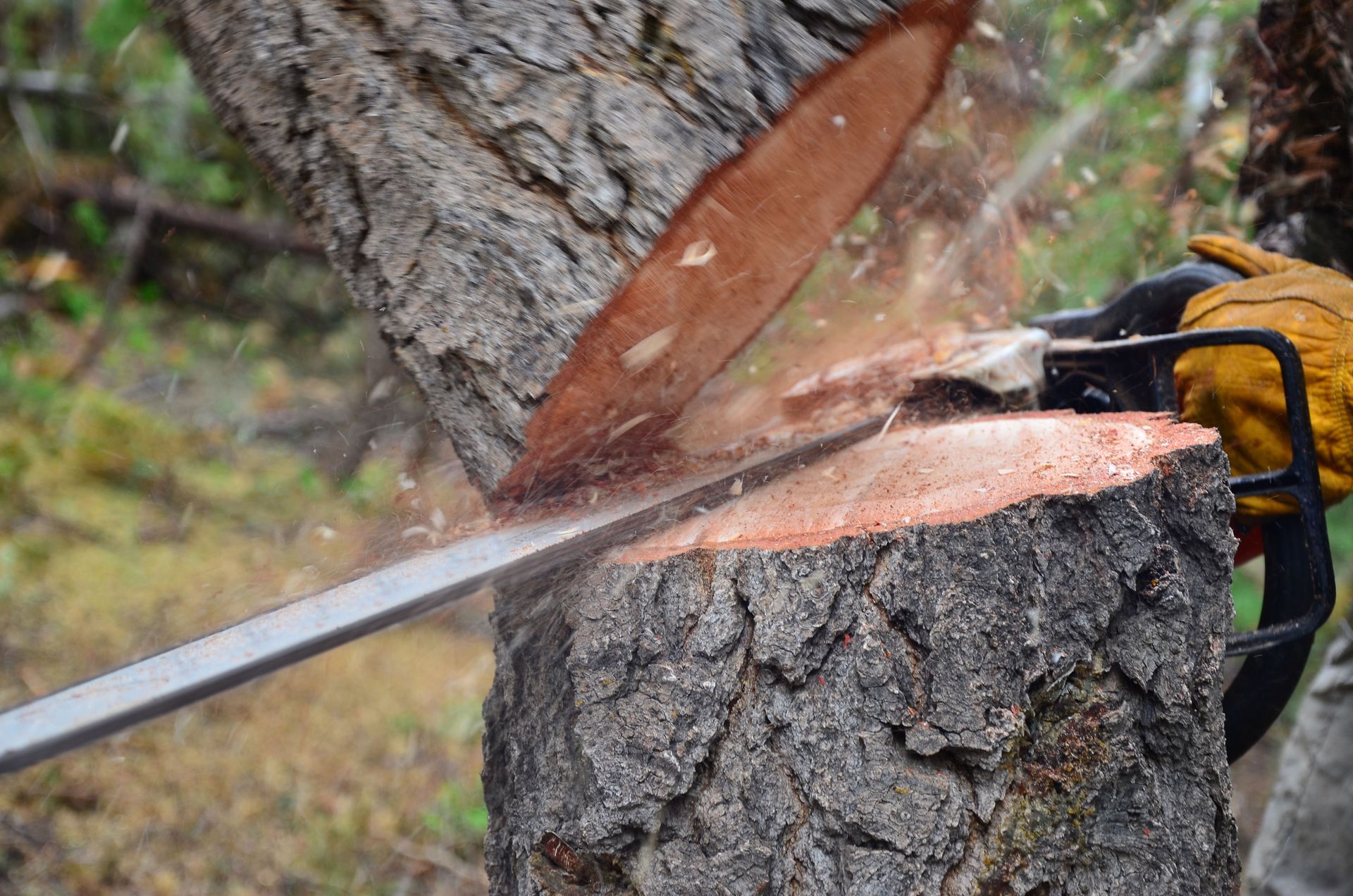
arborist can assess whether pruning will resolve the problem or whether a tree’s condition and location make removal a more suitable option. Tree removal requires planning, appropriate equipment, and attention to nearby structures, landscaping, and access points.
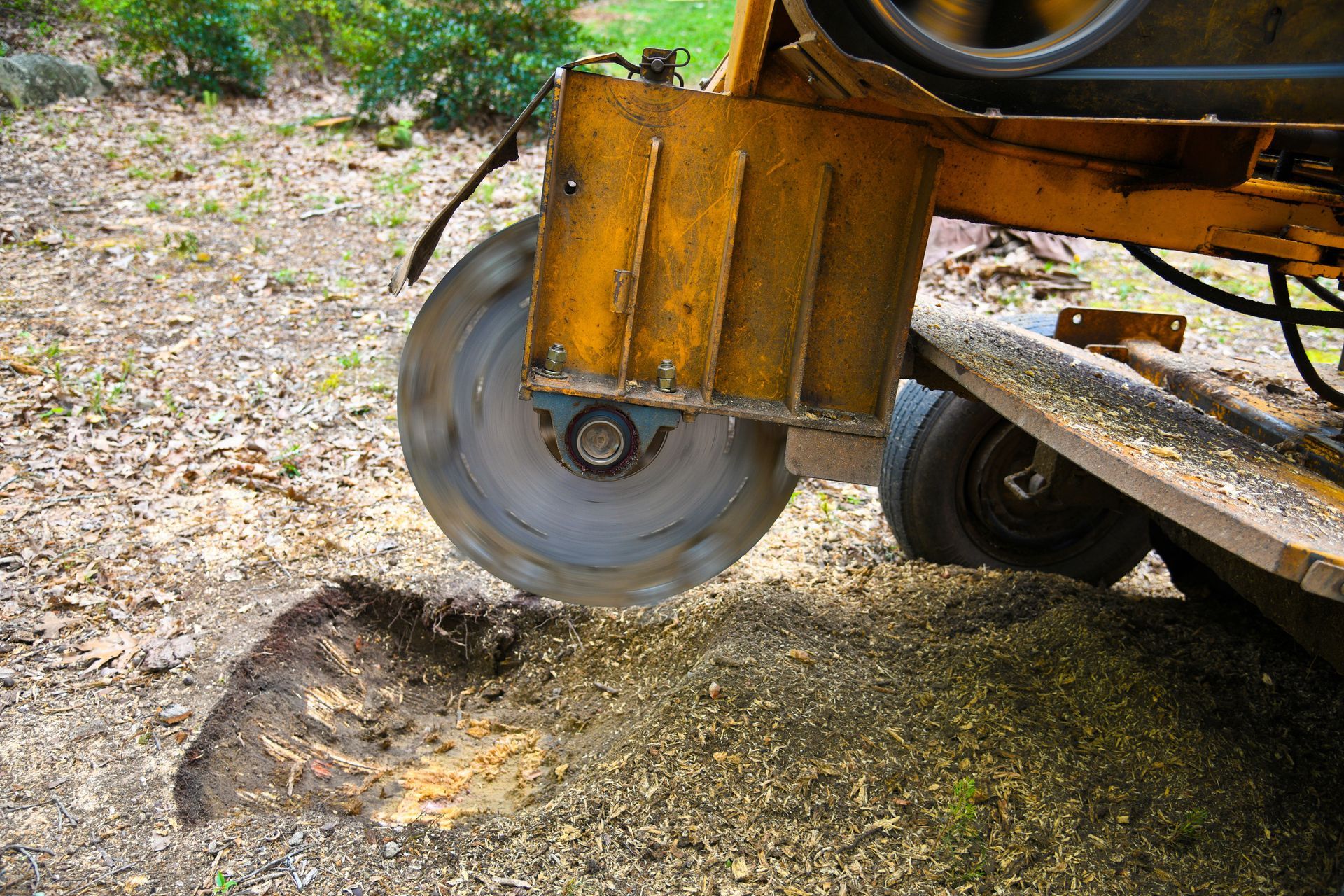
Once a tree has been removed, the remaining stump can affect how the yard is used and maintained. It may obstruct mowing, limit planting options, or create an unwanted visual feature. Stump grinding can reduce the stump below the surrounding grade, making the area easier to incorporate into the landscape. The next step depends on the stump’s size, location, and the homeowner’s plans for the space, including whether the area will become lawn, a planting bed, or another outdoor feature.
Planning New Plantings and Future Growth
A landscape can become more functional when new trees are selected with their mature size and growing needs in mind. Planting too close to a home, driveway, fence, or underground feature can create avoidable conflicts as a tree develops. Soil conditions, available sunlight, drainage, and the amount of room for roots and branches are also important considerations. An arborist can help homeowners evaluate planting locations and understand how new trees may affect the yard in the years ahead.
Long-term planning also includes looking at the trees already on the property. Some may need periodic pruning, while others may be approaching a stage when their health or location warrants closer monitoring. According to Arborists Near Me, single-family residences account for about 65% of the work performed by the tree service industry on a typical day. This figure highlights how frequently tree care relates to residential properties, where thoughtful planning can protect the landscape and help homeowners manage trees as their needs change.
Transforming a yard does not always require a major landscape redesign. Sometimes, careful pruning, removal of a damaged tree, stump grinding, or storm cleanup can make the property more attractive and easier to use. Acorn Tree Service offers tree-related services that can help homeowners address overgrowth, manage damaged trees, and improve the condition of outdoor spaces. Choosing services based on the property’s actual needs can help preserve healthy trees while resolving concerns that affect the landscape.
When planning tree work, homeowners should consider the condition of each tree, its proximity to buildings and walkways, and the way the yard is used. Acorn Tree Service can help evaluate these factors and discuss suitable options, from routine maintenance to more involved tree removal and cleanup. Our goal is to help you care for your outdoor space with services that fit your property and its priorities. Contact Acorn Tree Service to discuss your yard and arrange professional tree care that supports its safety, appearance, and long-term usability.